The Best Small Dog for Families With Kids: Temperament, Size and the House Rules That Matter
Which small breed suits a family with young children? An honest comparison of the French Bulldog, Cavapoo and Poodle for homes with kids, why the very smallest dogs are the riskiest choice with toddlers, and the house rules that keep children and puppies safe.
Families ask us the same question every week: which of your breeds is best with kids? The honest answer starts with the children's ages. The right dog for a home with a two-year-old is different from the right dog for a home with a ten-year-old. In homes with young children, the dog's size and sturdiness matter as much as its temperament.
Here's how the French Bulldog, Cavapoo and Poodle compare in family life, and the rules that make any dog-and-child home work.
The short answer
- Homes with toddlers (under 5): a mini Cavapoo or a French Bulldog. Both are sturdy enough for a busy floor and gentle by nature. Avoid toy-size dogs at this age.
- Homes with school-age children (5–12): any of our three breeds, including a Miniature Poodle, which suits children who'll get involved in training.
- Teenagers: any breed. The question becomes who walks the dog and who's home during the day.
Why the smallest dogs aren't the best with small children
It seems logical that a tiny dog would be the safest choice for a small child. It's usually the other way round.
- Toy breeds are fragile. A 4–6 lb Toy Poodle or a toy Cavapoo can break a leg jumping from a toddler's arms, or being stepped on or sat on. Falls are among the most common injuries vets see in toy breeds.
- Small dogs feel more threatened. A dog that is easily picked up, squeezed or cornered has fewer ways to escape. When a dog can't escape, it is more likely to growl, snap or bite.
- Toddlers can't read dogs yet. Children under five don't reliably notice when a dog has had enough.
That's why we usually steer families with toddlers toward a mini Cavapoo (about 13–25 lb as an adult) or a French Bulldog, and families with older children toward whichever breed fits the household best.
Side by side for family life
| French Bulldog | Cavapoo | Miniature Poodle | Toy Poodle | |
|---|---|---|---|---|
| Adult weight | Under 28 lb | 8–25 lb | 10–15 lb | 4–6 lb |
| Sturdiness with toddlers | Very sturdy | Good (mini size) | Fair | Fragile |
| Temperament with children | Easygoing, playful | Gentle, affectionate | Bright, sensitive | Bright, sensitive |
| Patience with noise and chaos | High | High | Moderate | Low to moderate |
| Energy for play | Short bursts | Moderate | Moderate to high | Moderate |
| Shedding and allergies | Sheds | Low to moderate | Very low | Very low |
| Best age of children | Any | Any (mini) | 5+ | 8+ |
Adult weights come from our breed pages. A Cavapoo's adult size depends on its Poodle parent, so ask the breeder for both parents' weights. Our mini vs toy Cavapoo post explains how.
The breeds in a family home
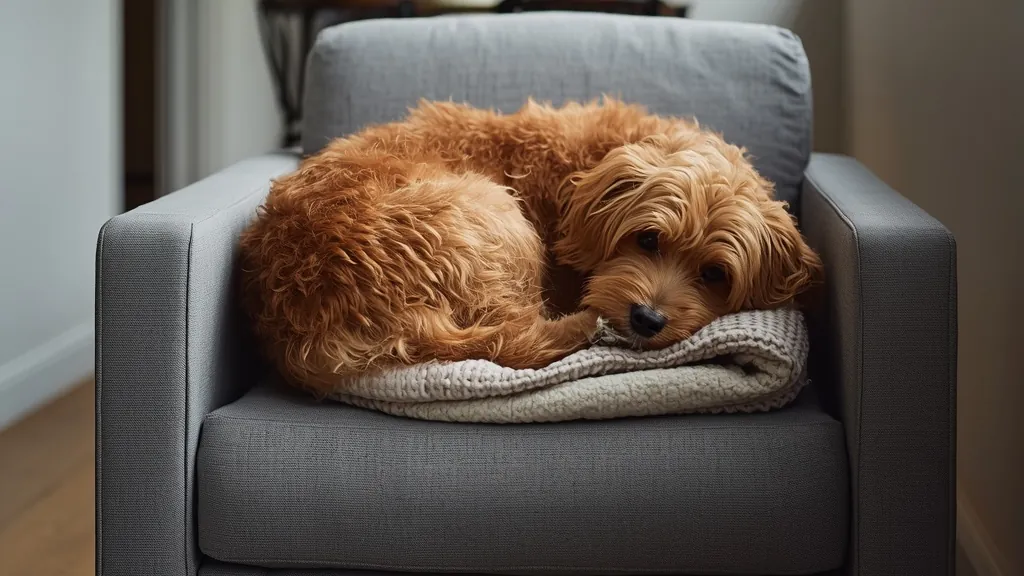
Cavapoo
Cavapoos are the breed we recommend most often to families. They're gentle, forgiving and eager to please, and they're happy to join in or curl up on the sofa. Most are very tolerant of children. Two things to plan for:
- Grooming. Brushing several times a week and a professional groom every 6–8 weeks. Older children can take over the brushing, and it's a good way for a child to bond with the dog.
- Company. Cavapoos dislike being alone. They suit families where someone is often home.
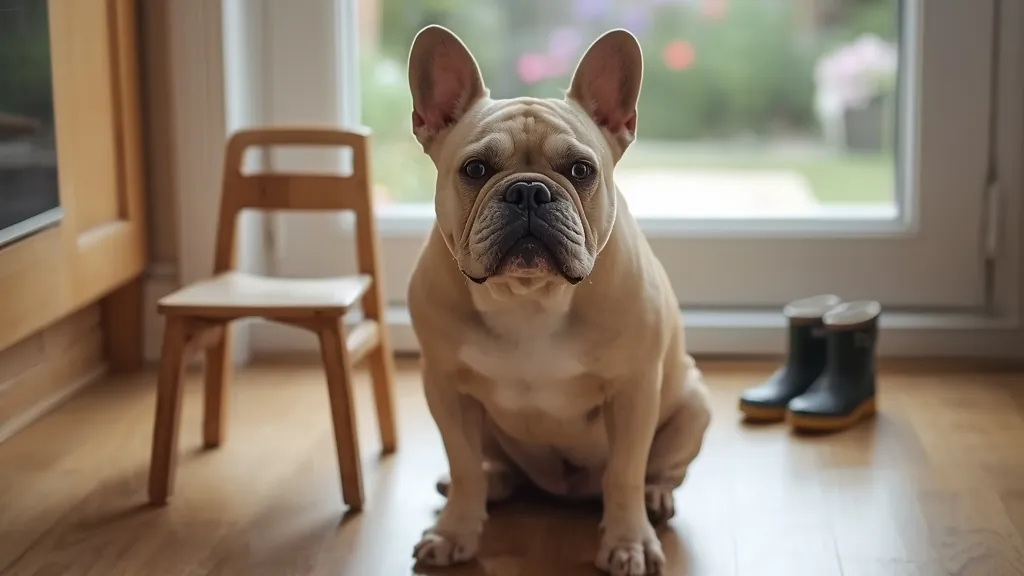
French Bulldog
Frenchies are sturdy, funny, patient and happy with a busy household. They need little exercise, so they won't be frustrated in a family that can't manage long walks. Two things to plan for:
- Health and heat. Children love running games, but Frenchies can't keep up in warm weather. Our breathing guide explains why. Teach children to stop play when the dog is panting hard.
- Cost. Frenchies cost more to buy and to insure. Our French Bulldog cost guide covers it.
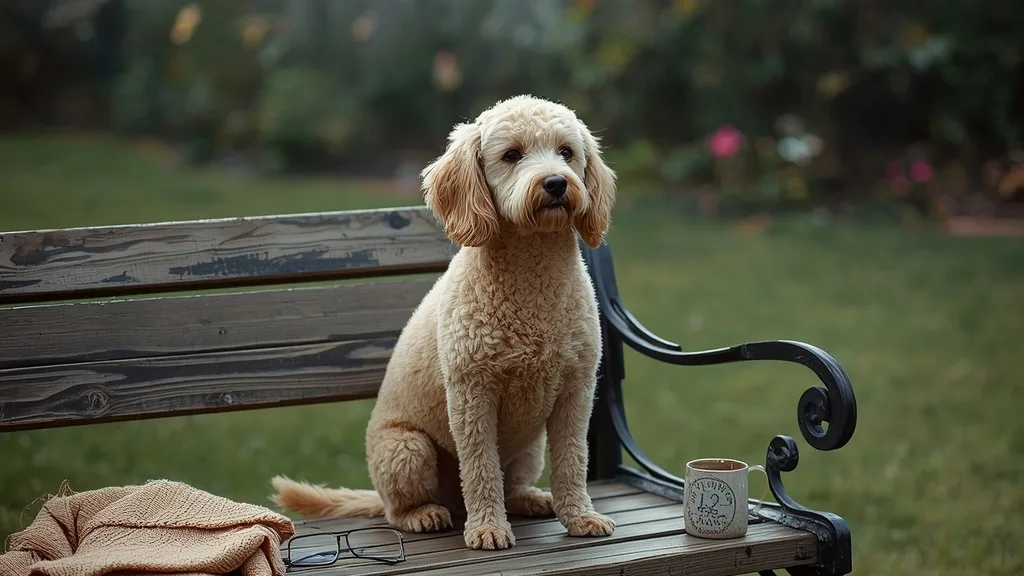
Miniature and Toy Poodle
Poodles are clever, eager to learn and very low shedding, which matters to families where a child has allergies. A Miniature Poodle suits school-age children who'll enjoy teaching tricks. Some Poodles are sensitive to shouting and rough play, and they're happiest in a calmer home. We recommend Toy Poodles for families with older children only. Our toy vs miniature Poodle guide covers the size difference.
Allergies in the family
If a parent or child has dog allergies, spend time with the breed before you commit. Visit an adult dog, or spend a few hours in a home with one. A Poodle or a curly-coated F1B Cavapoo is the most likely to suit an allergic family, but no dog is completely allergy-free. Our guide to whether Cavapoos are hypoallergenic explains why.
The house rules that keep children and dogs safe
Most dog bites to children come from a dog the child knows, often the family's own dog, and often during everyday moments. These rules prevent nearly all of them.
For the dog
- A safe retreat. A crate or bed in a quiet corner that the dog can always reach. Children never follow the dog into it. Teach this rule from day one.
- No dog and young child alone together, however gentle the dog. An adult should be in the room, watching. When you can't watch, use a gate or the crate.
- Meals in peace. Feed the dog away from the children, and teach children never to touch the dog while it's eating or chewing.
For the children
- Let the dog come to you. Invite the dog over, rather than chasing it.
- Stroke the chest and shoulders, not the head, face or tail.
- No hugging, kissing or lying on the dog. Children love doing it, and most dogs tolerate it rather than enjoy it.
- Sitting down to hold the puppy. A puppy dropped from standing height can be badly hurt. Children should sit on the floor to hold one.
- "Be a tree." If the dog gets over-excited or nips, stand still, fold your arms and look away until it calms down.
- Leave a sleeping dog alone.
Know the warning signs
Teach older children, and every adult in the home, the signs that a dog wants space: lip-licking, yawning, turning its head away, showing the whites of its eyes, stiffening, freezing, or growling. A growl is a warning, not bad behavior. Never punish it, or the dog may learn to skip the warning next time. Move the child away calmly, and give the dog space.
Puppy nipping is normal, and temporary
All puppies explore with their mouths, and children's hands, ankles and sleeves are very tempting. It peaks at around 3–5 months, during teething. To get through it:
- Keep chew toys everywhere, and swap one in whenever the puppy mouths a hand.
- Teach children to freeze and go quiet when nipped, rather than squealing and running, which feels like a game to the puppy.
- Make sure the puppy gets enough sleep. Overtired puppies nip far more. Puppies need 16–20 hours a day.
Getting children involved, at the right level
- Ages 3–5: filling the water bowl with help, choosing a toy, a gentle supervised stroke.
- Ages 6–9: measured meals, brushing, simple tricks with treats, holding the lead alongside an adult.
- Ages 10+: training sessions, short walks with an adult nearby, grooming routines, helping keep the toilet schedule.
An adult always stays responsible for the dog's care. Children's interest comes and goes, and the dog's needs don't.
Timing matters
Bringing home a puppy just before a new baby, a house move or exam season adds stress for everyone, the puppy included. If you're thinking of a puppy as a family gift, our post on getting a puppy for Christmas explains how to plan it so it starts well.
Our recommendation
For most families with young children, a mini Cavapoo is the safest and easiest choice, with a French Bulldog a close second for families who can manage the heat and the health care. With older children, a Miniature Poodle is a wonderful, low-shedding family dog. Whichever breed you choose, the house rules above matter more than the breed.
Our socialization checklist explains how to introduce a new puppy to children calmly. If this is your family's first dog, read our first-time owner guide. The puppies below are available now.