Puppy Socialization Checklist: What to Do Between 8 and 16 Weeks
The weeks between bringing a puppy home and 16 weeks old shape how confident it will be for life. A practical socialization checklist covering people, sounds, surfaces, handling, other dogs and being alone, with a week-by-week plan and the mistakes that make puppies fearful.
Socialization is how a puppy learns that the everyday world is safe. That includes strangers, traffic, the vacuum cleaner, a vet's hands and a dog barking next door. Puppies have a sensitive period, roughly from 3 weeks to between 12 and 16 weeks old, when new things are learned as normal rather than feared. After that window closes, a puppy can still learn, but it takes far more time and patience.
The breeder covers the first part of that window. You cover the rest, and most of it falls in the first eight weeks after your puppy comes home. This checklist shows you how to use them well.
What socialization is, and what it isn't
Socialization means calm, positive, brief encounters with as many normal things as possible, at a distance the puppy is comfortable with. It is not:
- Flooding. Taking a puppy to a crowded market and hoping it copes. A frightening experience during the sensitive period can create the very fear you're trying to prevent.
- Just meeting other dogs. Dogs are one item on the list. A puppy that meets twenty dogs but never hears a thunderstorm recording or rides in a lift has big gaps.
- Making the puppy accept things. If the puppy wants to retreat, let it. Confidence comes from being able to leave.
The rule of thumb: a good exposure ends with the puppy relaxed and curious. Watch its body. Loose and wiggly is good. Ears back, tail tucked, freezing, lip-licking or trying to hide all mean "too much, too close." Add distance and try again another day.
The 8–11 week fear period
Many puppies go through a short fear period at around 8–11 weeks, which is often just when they arrive home. A puppy that was bold at the breeder's may suddenly startle at a bin lid. That's normal. Keep experiences gentle, avoid anything big and scary that week, and don't force it. It passes.
The vaccine question
Your puppy isn't fully protected against parvovirus until about two weeks after its final puppy vaccine, at around 16–18 weeks. That's after the sensitive period has started to close. The American Veterinary Society of Animal Behavior says socialization should begin before vaccinations are complete, because the behavioral risk of waiting is greater than the disease risk of careful exposure.
"Careful" means: carry the puppy in public places, avoid ground where unknown dogs toilet, and choose clean, vaccine-checked puppy classes. Our vaccination schedule lists which places are safe at which age.
The checklist
Aim for a few new things every day, each for a few minutes, and repeat the important ones. Tick each item when the puppy has met it at least three times calmly.
People
- Men, including men with beards, hats and deep voices
- Children, seen at a distance first, then calm, seated children offering treats
- Older people, people with walking sticks, walkers or wheelchairs
- People in sunglasses, hoods, helmets, high-visibility jackets, uniforms
- People carrying umbrellas, bags or boxes
- Delivery drivers at the door, and the doorbell itself
Sounds
- Vacuum cleaner, hairdryer, blender, washing machine
- Traffic, motorbikes, sirens, buses
- Thunderstorm and fireworks recordings, played quietly at first while the puppy eats
- Crying babies, shouting children, applause, the TV
- Other dogs barking
Surfaces and places
- Grass, gravel, sand, wet pavement, metal grates, slippery tiles
- Stairs (carried or supervised, a few at a time)
- The car, with short trips that end somewhere pleasant
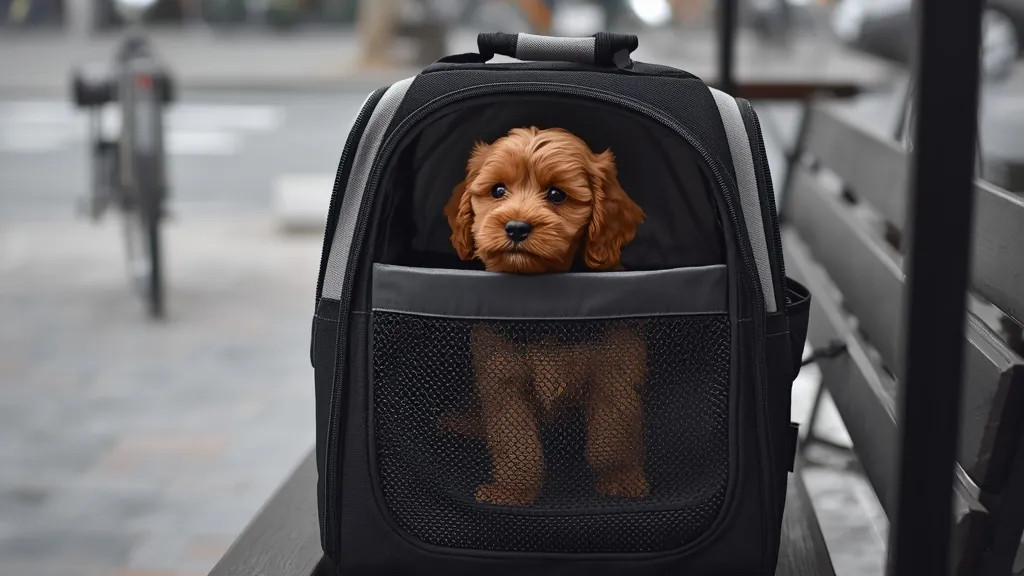
- A lift, a quiet café terrace, a bus stop, a pet-friendly shop (carried)
- The vet clinic, for a "happy visit" with treats and no exam
Handling and care
- Paws, nails, ears, mouth, tail, belly, touched gently with a treat
- Brushing and combing. Cavapoos and Poodles will need this for life.
- Bath, towel and hairdryer on a low setting
- Wearing a collar, harness and lead
- Being lifted, held and briefly restrained, as a vet would
Other animals
- Calm, healthy, vaccinated adult dogs that like puppies
- Other puppies in a well-run class
- Cats, if you have them or will visit friends who do. Keep the cat's escape route open.
- Seeing birds, squirrels and livestock from a distance
Being alone
- A few minutes alone in the pen while you're in the next room, building gradually
- Being left with a chew while you leave the house briefly
Being alone is the most skipped item, and the one most linked to problems later. Our guide to how long a puppy can be left alone has a step-by-step plan.
A week-by-week plan
Week 1 home (about 8–9 weeks). Settling in. Home sounds, handling, short car trips and the toilet routine. Few visitors. Our first week home plan covers this in detail.
Week 2 (9–10 weeks). Carry the puppy to watch the street for 5–10 minutes a day. Start visitors: one or two calm people at a time, with treats. A happy vet visit.
Week 3 (10–11 weeks). Start a puppy class if your vet agrees. New surfaces at home and in the yard. Sound recordings at low volume.
Week 4 (11–12 weeks). Carried trips to busier places: a shop doorway, a school pickup seen from across the road. Grooming practice.
Weeks 5–6 (12–14 weeks). Meet calm, vaccinated adult dogs. More varied people. Car trips to new places. Short alone-time sessions.
Weeks 7–8 (14–16 weeks). Fill the gaps in your checklist. Revisit anything the puppy found difficult, at a greater distance. Once your vet confirms full protection, add walks on the ground in new places.
After 16 weeks. Keep going. Socialization doesn't stop when the window closes. Experiences need topping up through adolescence, especially from 6 to 14 months, when some dogs go through a second fear period.
Choosing a puppy class
A good class is one of the best investments you can make. Look for:
- Reward-based training. No choke chains, prong collars, shock collars, leash jerks or shouting.
- Small groups, split by size so a 4 lb Toy Poodle isn't playing with a 30 lb Labrador.
- Proof of first vaccines for every puppy, and floors cleaned between sessions.
- Short, supervised play with breaks, not a free-for-all.
- Some time on handling, surfaces and sounds, not just obedience.
Search for trainers certified by the CCPDT (CPDT-KA) or the Karen Pryor Academy, or with an equivalent rewards-based credential.
Breed notes
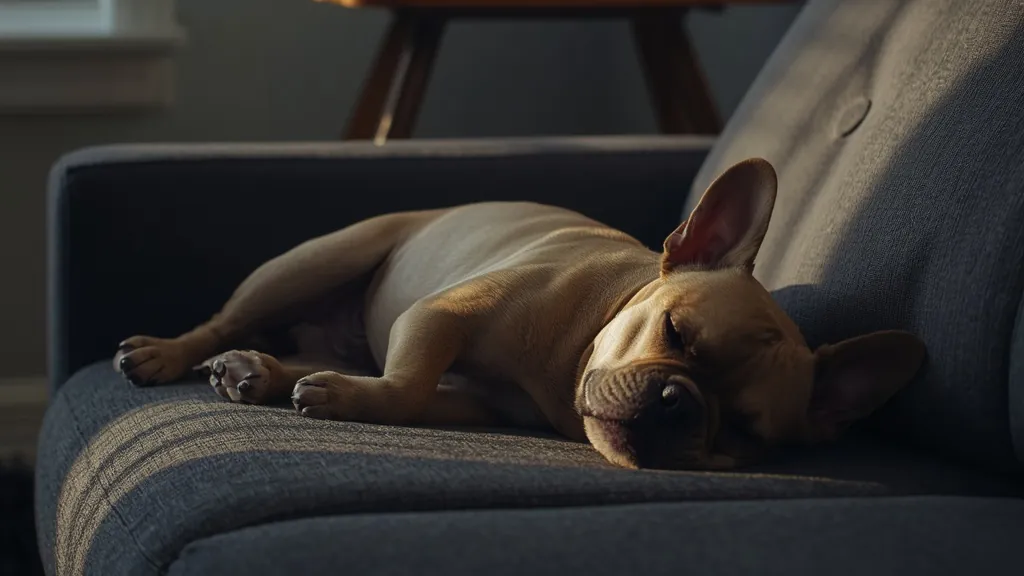
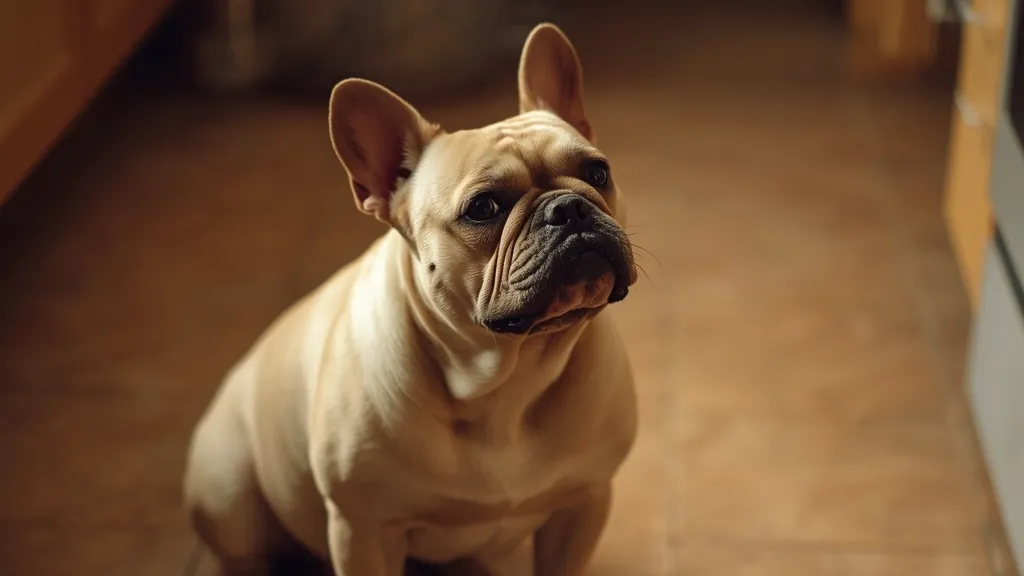
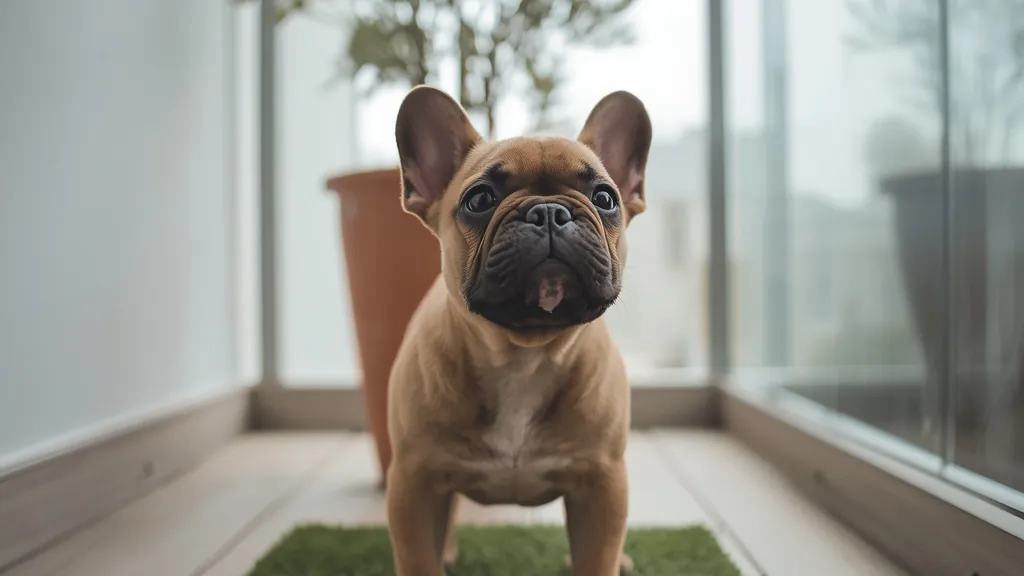
- French Bulldogs are usually sociable and bold. Focus on calm greetings, because a confident Frenchie can be pushy with other dogs. Keep sessions short in warm weather.
- Cavapoos tend to love people and can become clingy. Make sure being alone and calm settling get as much practice as meeting new friends.
- Poodles are clever and sensitive. They notice everything, and some can be reserved with strangers. Plenty of calm exposure to new people early makes a big difference. Toy Poodles also need protecting from rough play with larger dogs.
Mistakes that make puppies fearful
- Passing the puppy around a group of people who all want a cuddle. Let it approach people, rather than people grabbing it.
- Dog parks before full vaccination, and as a first social experience at any age. Too many unknown dogs, too little control.
- Comforting fear by forcing the issue. "It's fine, look!" while holding the puppy closer to the scary thing.
- Doing too much in one day. Puppies need 16–20 hours of sleep. An overtired puppy is more easily frightened.
- Stopping at 16 weeks. The window closing doesn't mean the job is done.
What you'll get for the effort
A puppy that spent its early weeks meeting the world calmly grows into a dog you can take almost anywhere. It's easier at the vet and the groomer, relaxed with visitors, and less likely to bark at every noise. That matters for every dog, and especially for small dogs living in busy homes and apartments.
If you're choosing a breed with a family in mind, our post on the best small dogs for families with kids covers temperament and what to teach the children. The puppies below are available now.