How Much to Feed a Small-Breed Puppy: Portions, Meals per Day and the Low Blood Sugar Risk
How much and how often to feed a French Bulldog, Cavapoo or Poodle puppy, how to choose a food, how to check your puppy's weight by hand, how to switch foods safely, and the signs of low blood sugar that every toy-breed owner needs to know.
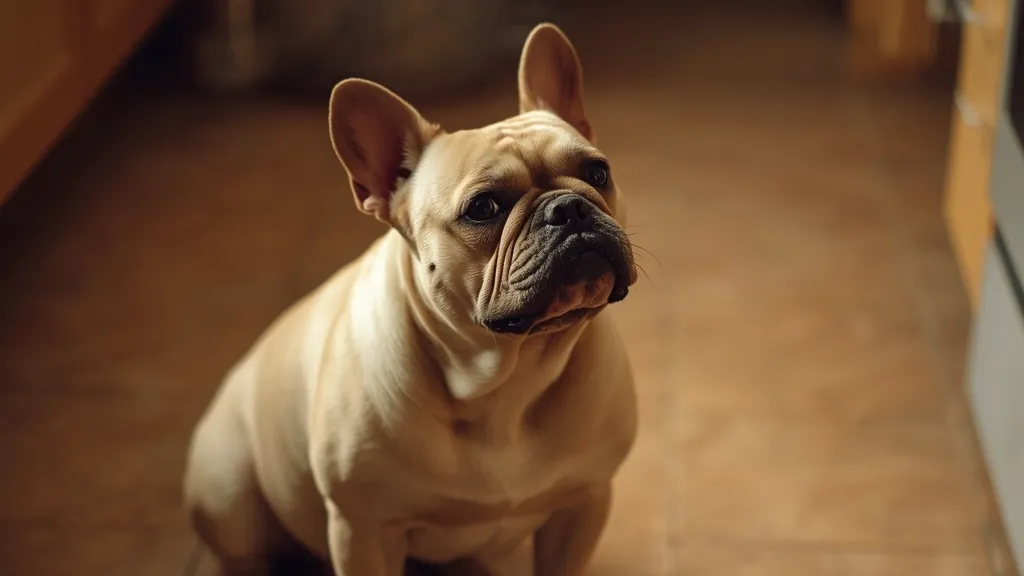
There isn't one right number of cups for every puppy. The right amount depends on your puppy's age, expected adult size, activity level and the food itself, which is why the bag gives a range. What you can get right is the method. That means the correct number of meals for its age, a food made for growing dogs, a portion based on the bag's chart, and a quick hands-on check every week that tells you whether to adjust.
Small breeds need a little more care than big ones. Their stomachs are tiny, they burn energy quickly, and toy-size puppies can run out of blood sugar if they skip a meal. Here's how to do it well.
How many meals a day
| Age | Meals per day |
|---|---|
| 8–12 weeks | 4 |
| 3–6 months | 3 |
| 6–12 months | 2–3 (toy breeds often stay at 3 a little longer) |
| Adult | 2 |
Split the daily amount across the meals rather than giving a full portion at each. Toy breeds (Toy Poodles and toy Cavapoos) should never go long gaps without food as puppies. Keep to 4 meals until your vet says otherwise, and never skip breakfast.
Continue the breeder's food and times for the first week or two. A new home is enough change for a puppy's gut.
How much per day
- Start with the feeding chart on the bag. Use your puppy's current age and its expected adult weight, which you can estimate from the parents. Ask your breeder for both parents' weights.
- Weigh the food on a kitchen scale for the first month or so. A level scoop and a heaped scoop can differ by 20–30%. For a 3 lb puppy, that's a big difference.
- Check its body by hand every week (see below), and adjust by about 10% up or down.
- Count treats. Treats and training rewards should be no more than about 10% of daily calories. In a busy training week, take some of the kibble out of the day's ration and use it as rewards.
Check your puppy's body every week
Vets use a body condition score to judge whether a dog is the right weight, and you can do a simple version at home:
- Ribs. Run your flat palm along the side of its chest. You should be able to feel each rib easily under a thin layer of padding, like the back of your hand. If you have to press to find them, it's carrying too much. If they stick out to the eye, it's too thin.
- Waist. Look down from above. There should be a visible waist behind the ribs.
- Tummy tuck. From the side, the belly should rise slightly from the chest toward the back legs.
Fluffy coats hide a lot, especially on Cavapoos and Poodles. Always check by feel, not by eye.
Choosing a puppy food
The bag's marketing matters less than three things on the label:
- The AAFCO statement. Look for "complete and balanced" nutrition for "growth" or "all life stages." A food labeled only for "adult maintenance" isn't designed for a growing puppy.
- Small-breed kibble size. Small pieces are easier for small mouths, and for brachycephalic dogs like French Bulldogs, which can find large kibble hard to pick up and chew.
- The maker. The World Small Animal Veterinary Association suggests choosing brands that employ qualified nutritionists and run feeding trials. Your vet can recommend some.
Grain-free isn't healthier for most dogs, and the FDA has investigated a possible link between some grain-free diets and heart disease. Choose it only if your vet recommends it. Raw diets carry a real risk of salmonella and other bacteria, for the dog and for the family, and the AVMA advises against them. Be especially cautious if you have young children.
Low blood sugar: what every toy-breed owner needs to know
Hypoglycemia (low blood sugar) is a real risk in toy-size puppies under about 4 months. Their small bodies store very little energy. A missed meal, a cold day, a long journey, stress or a stomach upset can drop their blood sugar quickly.
Signs to watch for:
- Unusual sleepiness, or being hard to wake
- Weakness, wobbling or stumbling
- Trembling or shivering
- Glassy eyes, or seeming "not there"
- In severe cases, collapse or seizures
What to do:
- Rub a little honey or corn syrup on its gums with your finger. Don't pour liquid into a weak puppy's mouth, because it could choke.
- Keep it warm, wrapped in a towel.
- Call your vet or an emergency clinic straight away, even if the puppy perks up. The cause still needs checking.
Prevention: four meals a day, a small snack at bedtime, no skipped meals, extra care on travel days, and getting your puppy to eat within a few hours of arriving home. Keep a small tube of honey or nutritional gel in your puppy kit.
Switching foods safely
If you change foods, do it gradually over 7–10 days:
| Days | Old food | New food |
|---|---|---|
| 1–3 | 75% | 25% |
| 4–6 | 50% | 50% |
| 7–9 | 25% | 75% |
| 10 | 0% | 100% |
Loose stools during a switch are common. Slow it down, and call your vet if your puppy has diarrhea for more than a day, any vomiting, or blood in its stool.
Breed notes
- French Bulldogs. Keep them lean. Extra weight puts more strain on their airway, joints and spine. Our breathing guide explains the link. Some Frenchies gulp air when they eat, and a slow-feeder bowl helps. Many have sensitive stomachs or skin, so make changes slowly.
- Cavapoos. Usually good eaters, and good at begging. Cavalier genes make many prone to gaining weight, so watch the treats. Wipe their long ears clean of food after meals.
- Toy Poodles. Fussy eating is common. Don't keep switching foods to tempt them, which makes it worse. Offer the meal for 15–20 minutes, then take it away until the next meal. Never let a toy puppy simply go without, though. If it refuses two meals in a row, call your vet. Small Poodles also need dental care from the start. Our Poodle breed page explains why.
Foods that are dangerous for dogs
Keep these out of reach, and make sure children know too:
- Grapes and raisins, which can cause kidney failure even in small amounts
- Xylitol, a sweetener found in some sugar-free gum, peanut butters, sweets and toothpastes. Very small amounts can cause dangerously low blood sugar and liver damage.
- Chocolate, especially dark and baking chocolate
- Onions, garlic, leeks and chives, raw or cooked
- Macadamia nuts
- Cooked bones, which can splinter
- Alcohol, caffeine, and fatty leftovers that can trigger pancreatitis
If your puppy eats something toxic, call your vet or the ASPCA Animal Poison Control Center (888-426-4435) straight away. Don't wait for symptoms. A fee may apply.
Water
Fresh water should always be available during the day. During potty training, pick the bowl up about two hours before bed to reduce night-time trips. Our potty training guide explains the schedule. In hot weather, keep water available all the time, especially for French Bulldogs.
What it costs
Small breeds are cheap to feed compared with big dogs. A quality small-breed food usually runs a few hundred dollars a year. Our first-year cost guide puts food alongside the vet, grooming and insurance costs.
Quick checklist
- The breeder's food for the first week or two
- 4 meals a day under 12 weeks, never skipping breakfast for toy breeds
- Portions from the bag chart, weighed, adjusted by feel weekly
- A "growth" or "all life stages" AAFCO statement
- Treats under about 10% of calories
- Honey or gel in the puppy kit, and the signs of low blood sugar learned
- Any food change spread over 7–10 days
Our first week home plan covers the rest of settling in, and our new puppy checklist lists the bowls, scale and food to buy before your puppy arrives. The puppies below are available now.